 Pular para o Conteúdo




Dominando as Cordas: Como Tocar o Instrumento Lira para Iniciantes

Summary
Quer aprender como tocar o instrumento Harpa lira? Este guia é seu ponto de partida. Cobriremos a escolha da sua primeira Harpa lira, afinação e técnicas básicas de execução para ajudá-lo a começar a fazer música.
Principais Conclusões
-
A Harpa lira é um instrumento amigável para iniciantes que combina significado histórico com apelo moderno, aprimorando habilidades cognitivas como foco e criatividade.
-
Compreender a anatomia da Harpa lira, incluindo tipos e materiais, é fundamental para que os músicos apreciem a qualidade do som e façam escolhas informadas.
-
A afinação e manutenção regulares, juntamente com o aprendizado de técnicas básicas e teoria musical, são essenciais para uma experiência gratificante e prazerosa ao tocar a Harpa lira.
Começando com a Harpa Lira

A Harpa lira é um dos instrumentos musicais mais antigos conhecidos pela humanidade, com as primeiras evidências datando de cerca de 2500 a.C. na Mesopotâmia. Este instrumento antigo adornou os salões da realeza e as mãos de poetas, simbolizando não apenas a música, mas uma conexão com o divino. Na Grécia antiga, a Harpa lira estava intimamente associada a Apolo, o deus da música, poesia e profecia, simbolizando harmonia e iluminação. Havia dois tipos principais de harpas lira na Grécia antiga: a menor Chelys, frequentemente feita de casco de tartaruga, e a maior Kithara, usada por músicos profissionais.
Para iniciantes, a Harpa lira moderna apresenta uma combinação perfeita de charme histórico e apelo contemporâneo. Harpas lira diatônicas, que incluem um conjunto fixo de notas e são mais simples de tocar, são altamente recomendadas para quem está começando sua jornada musical. Tocar a Harpa lira pode melhorar significativamente habilidades cognitivas como:
-
foco
-
memória
-
coordenação
-
criatividade, tornando-a uma excelente escolha para a educação musical.
Com sua estrutura relativamente simples e som encantador, a Harpa lira pode ser uma porta de entrada para uma apreciação mais profunda da música. Pequenas harpas como a Harpa lira não são apenas instrumentos; são companheiras em uma jornada para ouvir a autodescoberta e a expressão musical.
Vamos explorar este belo instrumento e aprender como fazê-lo cantar.
Entendendo Sua Harpa Lira
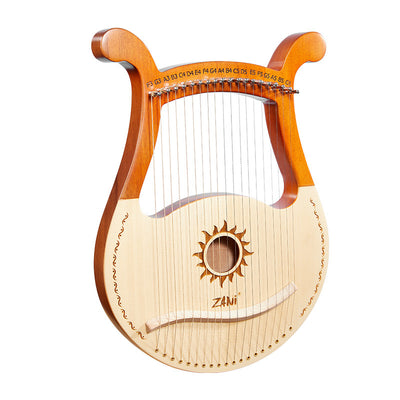
Compreender a anatomia da Harpa lira e como cada parte contribui para seu som único é fundamental para o domínio. A Harpa lira normalmente inclui:
-
Uma estrutura em forma de U
-
Cordas que correm paralelas à tábua sonora
-
Uma ponte que suporta a transferência de vibrações
-
Uma caixa de ressonância
-
Dois braços
-
Uma barra transversal
Cada um desses componentes desempenha um papel crucial na ressonância e no tom do instrumento.
Quando se trata de liras modernas, existem dois tipos principais: liras de corpo oco e liras de corpo sólido. Uma lira de corpo oco produz sons mais suaves e ressonantes devido ao seu design, que amplifica as vibrações. Por outro lado, liras de corpo sólido são geralmente mais altas e têm um som mais direto, tornando-as adequadas para apresentações em ambientes maiores.
O tipo de madeira usado na construção de uma lira também afeta sua qualidade sonora e durabilidade, com diferentes madeiras oferecendo características tonais variadas. Os materiais das cordas influenciam ainda mais o som da lira. Cordas de náilon proporcionam um tom mais quente, enquanto cordas de aço oferecem um som mais brilhante.
Hardware de afinação de qualidade é crucial para manter a estabilidade da afinação e manter a lira afinada. Compreender esses elementos permite que os músicos apreciem mais seu instrumento e tomem decisões informadas sobre estilo de toque e manutenção.
Escolhendo Sua Primeira Lira

Selecionar a lira certa é um passo fundamental para qualquer iniciante, pois pode impactar significativamente a experiência de aprendizado. As liras geralmente possuem entre sete e vinte e quatro cordas, sendo que menos cordas geralmente são mais fáceis para iniciantes. Instrumentos com menos cordas são mais leves e portáteis, tornando-os ideais para quem está começando a tocar lira.
Para quem planeja viajar ou praticar em movimento, modelos menores de lira oferecem uma vantagem distinta. Eles são não apenas mais fáceis de transportar, mas também mais simples de tocar, proporcionando uma introdução acessível ao instrumento. No entanto, a diferença é que modelos maiores geralmente produzem um som mais cheio, o que alguns músicos podem preferir ao se sentirem mais confortáveis com o básico.
Em última análise, o objetivo é escolher uma lira que seja adequada para você. Considere fatores como o número de cordas, o tamanho do instrumento e o quão confortável ele é para segurar e tocar. Essa abordagem garante uma jornada musical agradável e gratificante desde o início.
Afinando Sua Lira
Afinar sua lira é um aspecto crucial para manter a qualidade sonora e garantir que ela permaneça em condições ideais. A afinação regular ajuda a preservar a integridade tonal do instrumento e torna a execução mais prazerosa. O método específico de afinação pode variar dependendo do tipo de lira e das cordas usadas, mas os princípios fundamentais permanecem os mesmos.
Para afinar uma lira, siga estes passos:
-
Comece fixando a lira e garantindo que ela esteja estável.
-
Usando um afinador ou aplicativo, dedilhe cada corda e ajuste as tarraxas para alcançar a afinação desejada.
-
Observe que as cordas de náilon, comuns em liras modernas, podem exigir ajustes mais frequentes à medida que se esticam com o tempo.
-
Para iniciantes, use um guia passo a passo que ofereça instruções claras sobre como afinar cada corda.
Se você encontrar problemas como cravelhas de afinação escorregadias, considere o seguinte:
-
Use um composto para cravelhas para melhorar a aderência e estabilidade. Essa solução simples pode evitar frustrações e manter sua lira afinada por mais tempo.
-
Verifique e afine sua lira regularmente para melhorar sua experiência ao tocar.
-
A manutenção regular também prolongará a vida útil do seu instrumento.
Técnicas Básicas para Tocar Lira

Dominar o básico do toque da lira envolve aprender algumas técnicas fundamentais que servirão como base para sua jornada musical. Um dos métodos mais comuns é usar um plectro para dedilhar as cordas, o que proporciona um som distinto e claro. Essa técnica pode ser alternada com dedilhado com os dedos para criar uma variedade de tons e texturas.
Outra técnica essencial é bloquear as cordas com a mão esquerda enquanto dedilha com a mão direita. Esse método aprimora o ritmo e a harmonia, permitindo expressões musicais mais complexas. As técnicas de dedilhado também podem incluir padrões rítmicos e linhas melódicas, oferecendo uma ampla gama de possibilidades para expressão criativa.
Tocar a lira com frequência não só a mantém em boas condições, mas também ajuda a identificar possíveis problemas precocemente. A prática regular dessas técnicas básicas constrói uma base sólida para estilos de toque mais avançados no futuro, já que a lira é melhor tocada com frequência.
Aprendendo a Ler Música para Lira

Ler música é uma habilidade valiosa que pode aprimorar muito sua experiência tocando lira. Cada corda da lira corresponde a uma nota musical específica, tornando essencial entender como essas notas se traduzem na partitura. Embora o sistema clássico de notação europeia possa ser desafiador sem conhecimento básico, começar com teoria musical simples pode facilitar o processo de aprendizado.
Livros de música para iniciantes projetados para tocadores de lira frequentemente incluem:
-
Tutoriais
-
Melodias simples
-
Acordes Esses recursos oferecem uma introdução abrangente à leitura musical, desmembrando os fundamentos da teoria musical e ajudando você a entender como interpretar notas, ritmos e melodias na partitura.
Dedicar tempo para aprender e praticar a leitura musical permite expandir seu repertório e tocar peças mais complexas. Essa habilidade não só melhora sua capacidade de performance, mas também aprofunda sua apreciação pela música que você cria.
Músicas e Melodias Simples
Um dos aspectos mais gratificantes de aprender a lira é tocar músicas e melodias simples. A melodia, a sequência da música, é formada por diferentes tons que criam arranjos memoráveis. Começar com músicas simples permite que os iniciantes pratiquem e aprimorem suas técnicas de forma divertida e envolvente.
Pausas, ou momentos de silêncio na música, são tão significativas quanto as notas. Elas contribuem para a expressão geral e o ritmo, tornando sua execução mais dinâmica e interessante. Praticar esses elementos simples ajuda a construir uma base sólida para peças mais complexas.
Para manter suas sessões de prática agradáveis:
-
Explore uma variedade de canções e melodias.
-
Toque músicas conhecidas ou experimente suas próprias composições.
-
Use o YouTube e outras plataformas online para tutoriais e peças de exemplo que possam inspirar e guiar você.
O segredo é se divertir e deixar sua criatividade brilhar, então imagine sua ideia ganhando vida com esperança.
Técnicas e Estilos Avançados
À medida que você se torna mais proficiente com a Harpa lira, pode explorar técnicas e estilos avançados para aprimorar sua expressão musical. Uma dessas técnicas é o abafamento das cordas, que permite criar acidentes para melodias mais complexas. Esse método adiciona uma nova dimensão à sua execução, possibilitando explorar uma gama mais ampla de ideias musicais.
A harmonia, ou tocar duas ou mais notas simultaneamente, oferece suporte à melodia e enriquece o som geral. A ornamentação, como adicionar tremolo às linhas melódicas, também pode adicionar caráter e profundidade às suas apresentações. Essas técnicas avançadas permitem que você experimente diferentes estilos e crie expressões musicais únicas.
Assistir a vídeos tutoriais e estudar os estilos de execução de outros músicos pode fornecer insights valiosos e inspiração. Desafiar-se continuamente e explorar novas técnicas pode elevar sua performance na Harpa lira a novos patamares.
Mantendo Sua Harpa lira

A manutenção adequada é vital para garantir a longevidade e a qualidade sonora da sua Harpa lira. Limpar regularmente sua Harpa lira com um pano macio ajuda a evitar o acúmulo de poeira e óleos, que podem prejudicar a madeira. Evite usar produtos químicos agressivos, pois podem danificar o instrumento.
Para manter suas cordas e sua Harpa lira:
-
Limpe as cordas com um pano macio para reduzir a oxidação e manter sua durabilidade.
-
Substitua as cordas se estiverem desgastadas ou muito sujas.
-
Mantenha cordas sobressalentes à mão.
-
Esteja ciente de que Harpas lira feitas de madeira maciça são particularmente sensíveis a mudanças de umidade e temperatura, o que pode causar danos se não forem devidamente controladas.
Quando não estiver em uso, guarde sua Harpa lira em uma capa protetora para protegê-la contra poeira e variações ambientais. Inspecione regularmente sua Harpa lira em busca de danos ou desgaste, especialmente ao redor da caixa de ressonância e das cordas, para identificar qualquer problema precocemente. Essas dicas de manutenção ajudarão a garantir que sua Harpa lira permaneça em excelente estado por muitos anos.
Recursos para Aprendizado Contínuo
Continuar sua jornada tocando lira envolve buscar recursos que possam ajudar a expandir suas habilidades e conhecimentos. Livros de música para tocadores de lira frequentemente apresentam letras grandes e fáceis de ler, tornando-os acessíveis para aprendizes de todas as idades. Esses livros frequentemente incluem acesso a sites bônus de tutoriais de técnicas, oferecendo orientação e instrução adicionais.
Cursos online e fóruns comunitários também podem ser recursos inestimáveis. Essas plataformas oferecem oportunidades valiosas para se conectar com outros tocadores de lira, compartilhar experiências e aprender novas técnicas. Engajar-se com uma comunidade de músicos com interesses semelhantes pode fornecer motivação e apoio enquanto você avança em sua jornada musical.
Aproveitando esses recursos, você pode continuar desenvolvendo suas habilidades e explorando o mundo rico e variado da execução da lira. Seja por meio de livros, tutoriais online ou interações comunitárias, há inúmeras maneiras de continuar aprendendo e crescendo como músico de lira.
Resumo
Em resumo, dominar a lira é uma jornada que combina o charme histórico com a expressão musical moderna. Desde entender a anatomia da lira e escolher o instrumento certo até aprender técnicas básicas e avançadas, cada passo aproxima você de se tornar um músico habilidoso. A manutenção regular e o aprendizado contínuo são cruciais para garantir a longevidade e a qualidade do seu instrumento. Abrace a alegria de tocar lira e deixe que este instrumento antigo inspire sua criatividade e sua jornada musical.
Perguntas Frequentes
Qual é a melhor lira para iniciantes?
A melhor lira para iniciantes é uma lira diatônica com menos cordas, pois é mais fácil de tocar e mais portátil. Isso a torna uma ótima escolha para começar.
Com que frequência devo afinar minha lira?
Você deve afinar sua lira antes de cada sessão de prática para mantê-la com o melhor som. Verificações regulares são essenciais para preservar sua qualidade.
Posso usar tanto uma palheta quanto meus dedos para tocar a lira?
Com certeza, você pode usar tanto um palheta quanto os dedos na lira! Misturá-los pode realmente melhorar seu som e adicionar mais profundidade à sua execução.
Quais recursos estão disponíveis para aprender a tocar a lira?
Para aprender a tocar a lira, você pode encontrar ótimos recursos como livros de música, cursos online, fóruns comunitários e vídeos tutoriais. Eles ajudarão você a aprimorar suas habilidades e a se conectar com outros entusiastas!
Como faço para manter minha lira?
Para manter sua lira em ótimo estado, limpe-a frequentemente com um pano macio, troque as cordas desgastadas e certifique-se de guardá-la em uma capa protetora quando não estiver tocando. Isso ajudará você a desfrutar de uma música linda por muito tempo!